MENA Overtakes Europe as Global Wellness Real Estate Market Accelerates
The Middle East and North Africa (MENA) region has surpassed Europe to become the world’s second fastest-growing wellness real estate market, as high-net-worth individuals increasingly prioritise health, wellbeing, and quality of life in property investment decisions.
The global wellness real estate sector has expanded rapidly in recent years, more than doubling since 2019, and is projected to reach $1.1 trillion by 2029, according to industry data. The trend is reshaping the luxury property market, with wellness-focused design emerging as a key differentiator across major global cities.
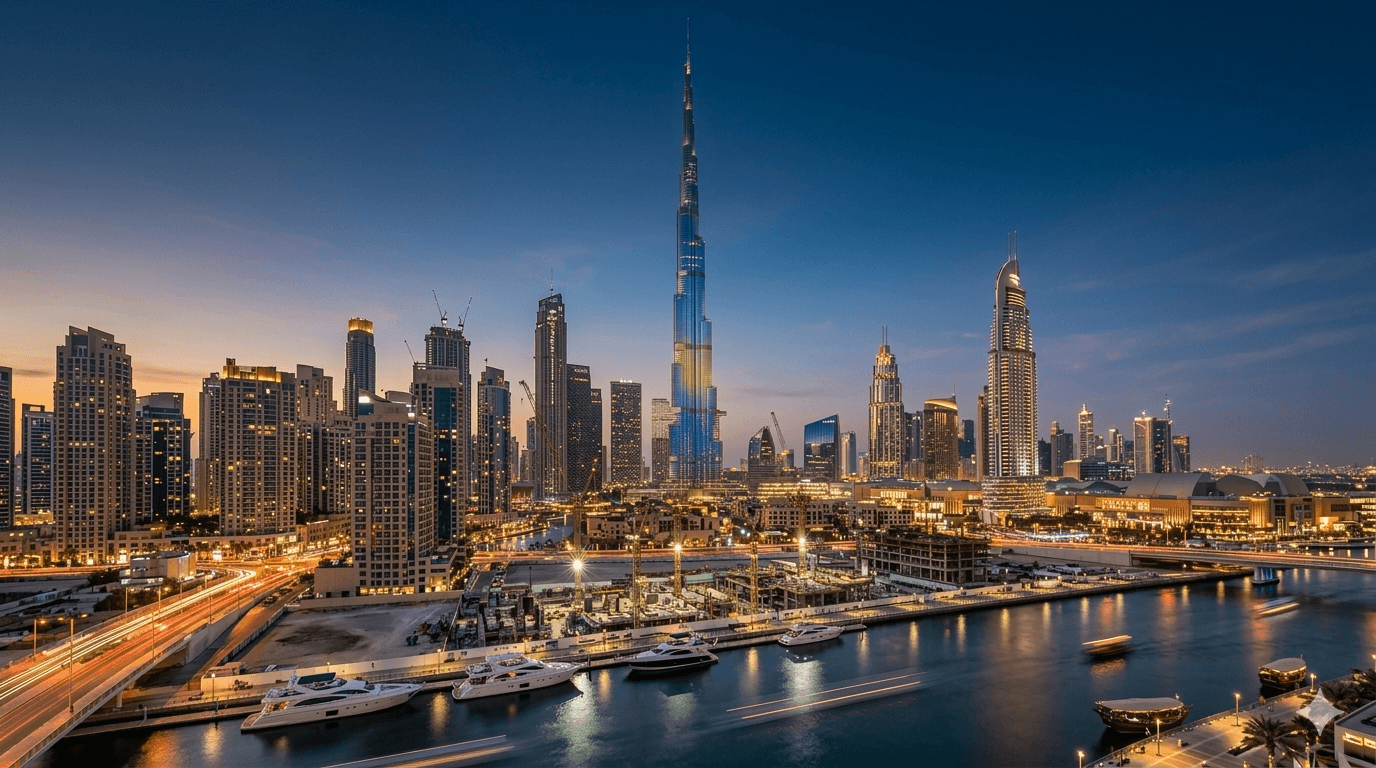
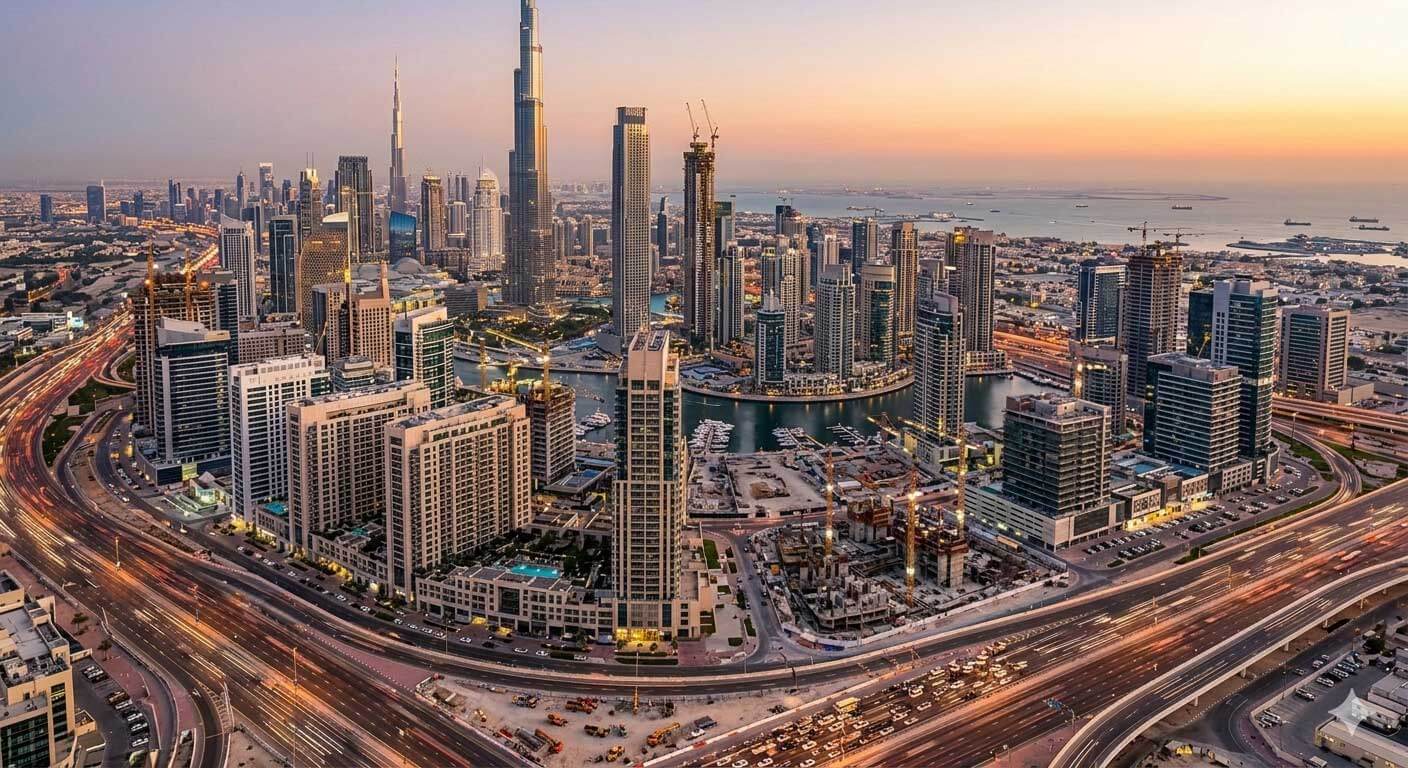
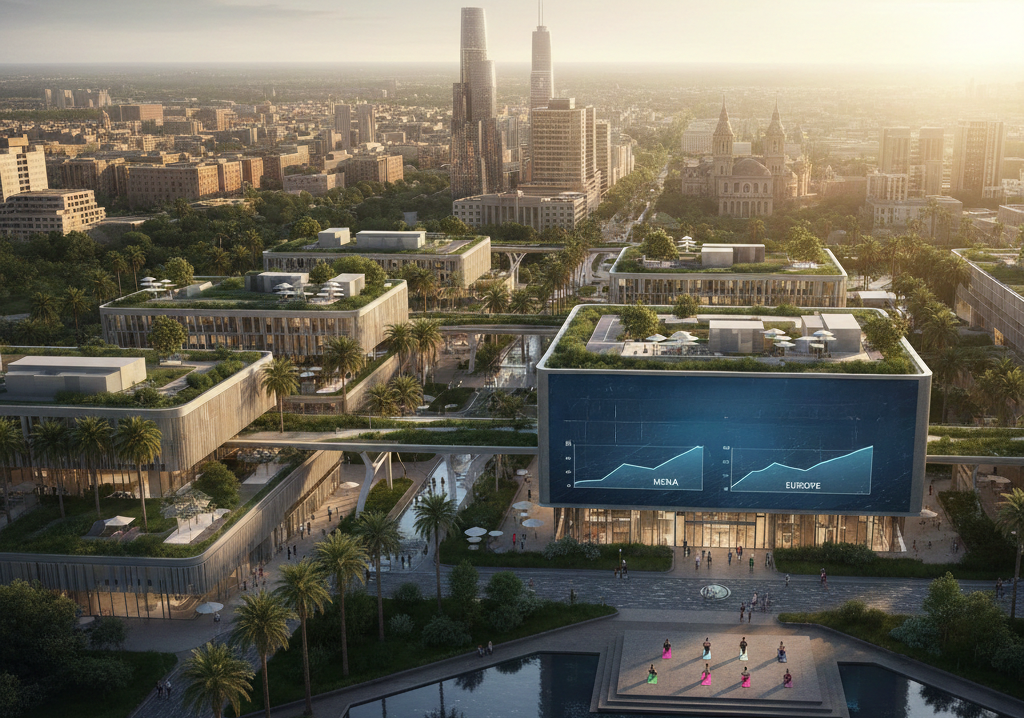
Market analysis shows the MENA region is growing at over 22 per cent annually, placing it just behind Latin America and the Caribbean, and ahead of Europe. Dubai has emerged as the regional centre for wellness-oriented real estate, driven by sustained international demand and a shift toward innovation-led luxury development.
Industry experts note that the definition of luxury real estate is evolving. Rather than focusing solely on location, scale, or prestige, buyers are increasingly assessing whether homes can actively support healthier lifestyles. Factors such as air and water quality, access to nature, sleep optimisation, and sustainable design are now central to purchasing decisions.
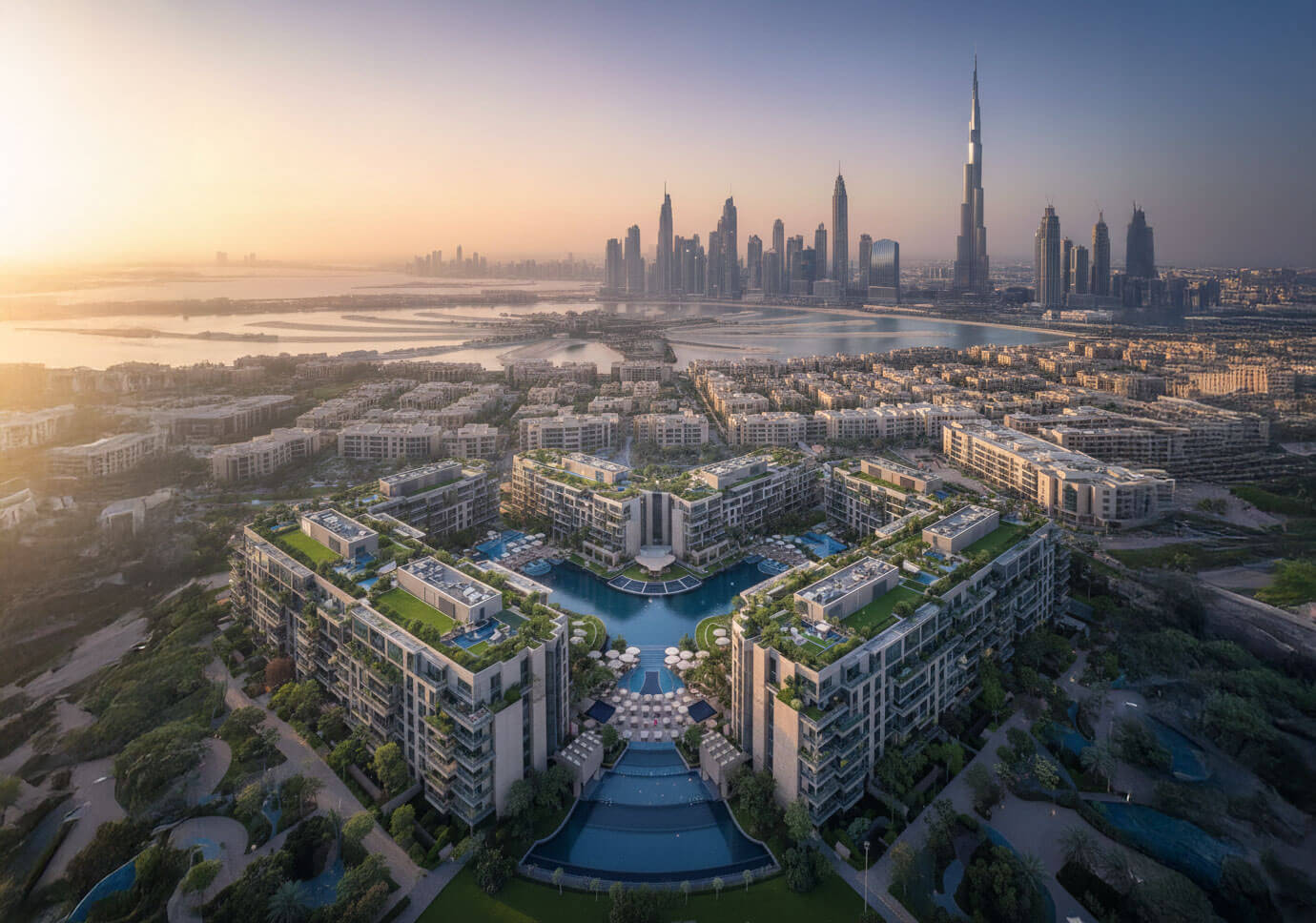
Wellness-driven residential developments in Dubai commonly incorporate natural materials, integrated greenery, advanced filtration systems, and circadian lighting designed to support daily wellbeing. These features reflect a broader move toward biophilic architecture and health-centred living environments.
The market is being shaped by two distinct buyer profiles. Lifestyle-driven investors typically purchase homes as primary or secondary residences, holding assets long term and prioritising family wellbeing over short-term financial returns. Strategic investors, on the other hand, focus on the scarcity value of wellness-oriented luxury assets and typically adopt medium-term holding strategies, anticipating strong capital appreciation as the sector continues to expand.
Both groups are increasingly quality-focused and willing to pay a premium for developments that demonstrate long-term value, delivery credibility, and clear exit opportunities.
Dubai’s luxury property market continues to attract global attention, with its growth widely viewed as a sign of resilience rather than oversupply. Analysts suggest the city’s emphasis on lifestyle innovation, sustainability, and wellness-led design strengthens its position as a leading international destination for high-end real estate investment.
As wellness real estate gains momentum worldwide, the MENA region’s rapid growth signals a structural shift in buyer priorities—one that places long-term health and quality of life at the centre of the global luxury property market.