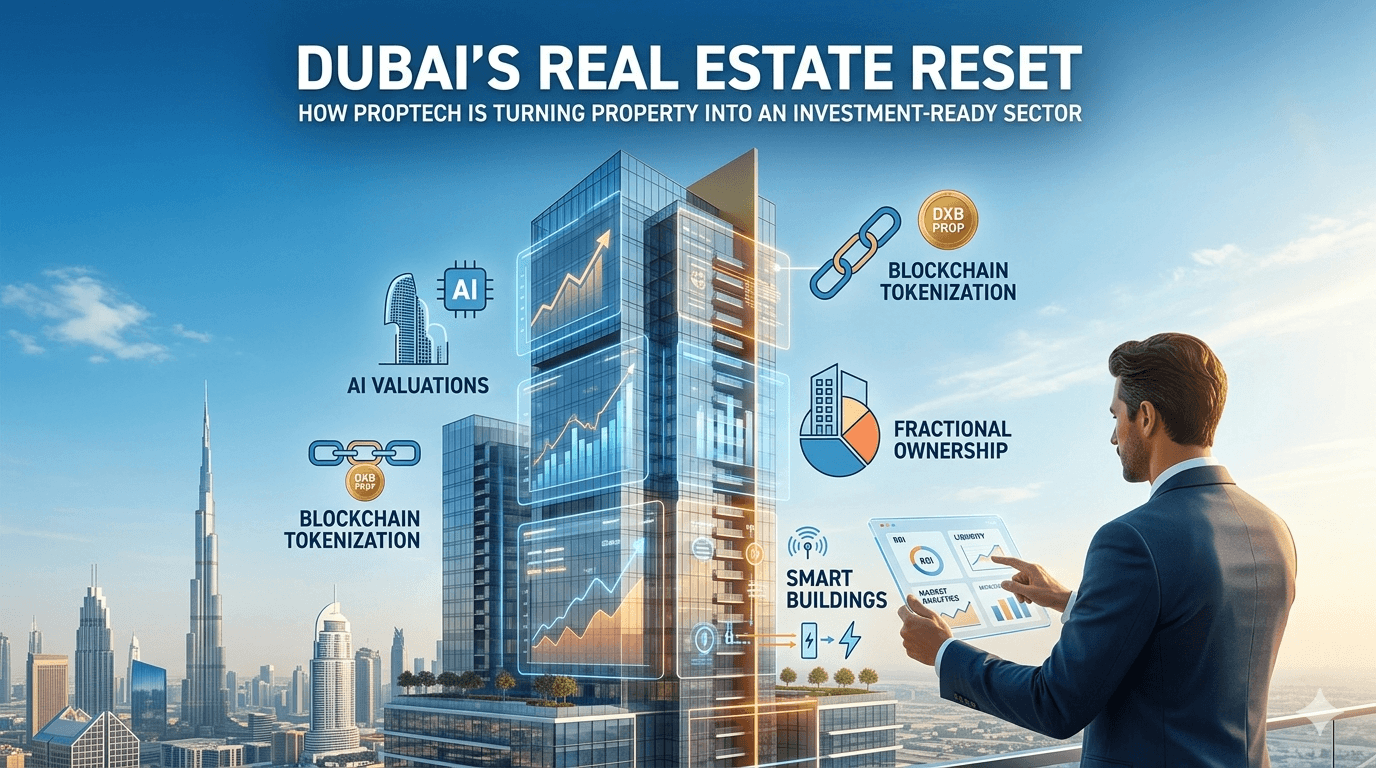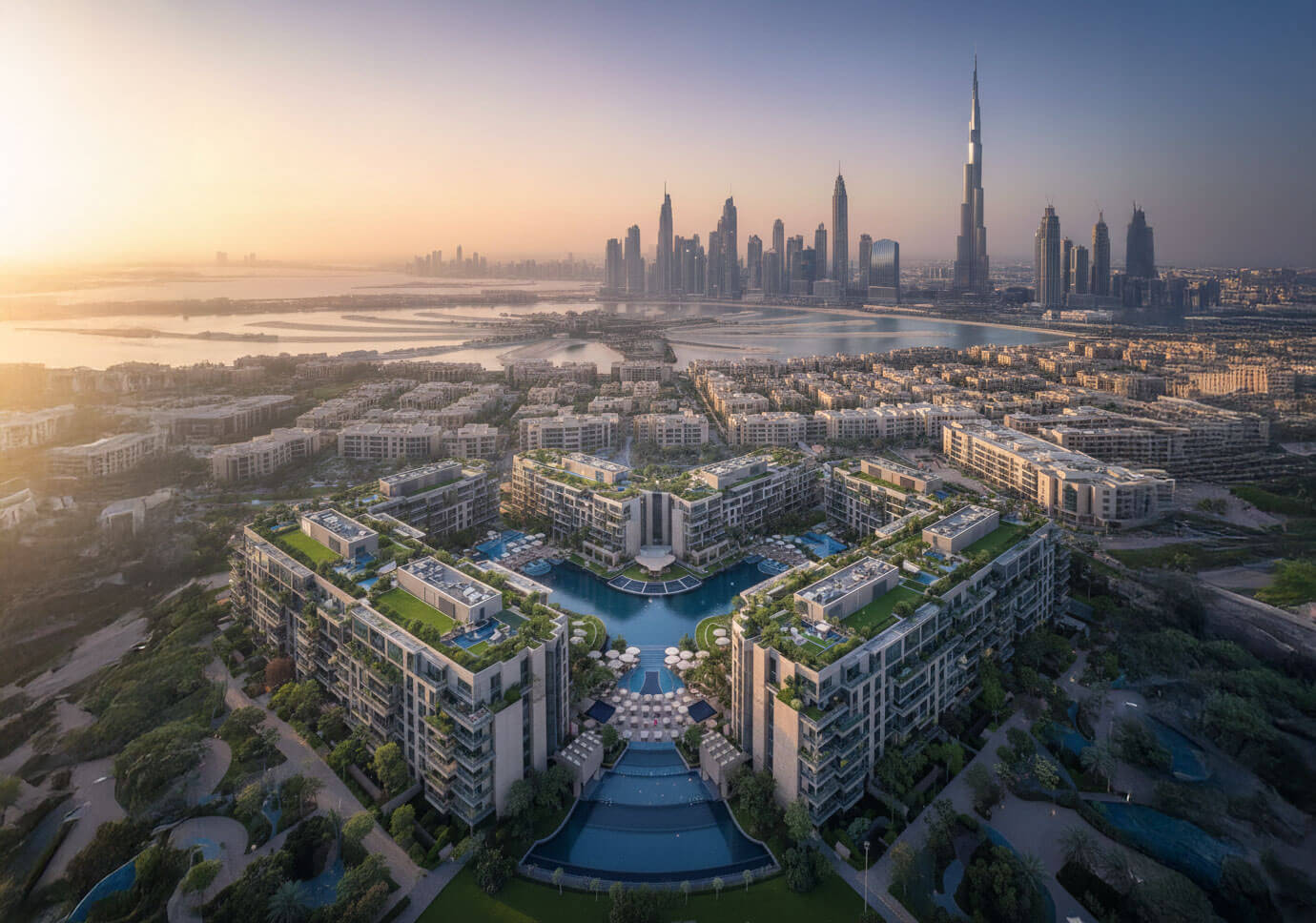
UAE Leads the World in Number of Tokenized Real Estate Assets
UAE Emerges as Global Leader in Tokenized Real Estate Assets
The United Arab Emirates has claimed the global lead in the number of tokenized real estate assets, reinforcing its position as a frontrunner in blockchain-powered property innovation. According to the latest analysis from RWA.XYZ, a leading platform tracking tokenized real-world assets (RWAs), the UAE has tokenized 23 real estate assets with a combined value of $129 million.
While the United States currently leads in terms of total tokenized real estate value at $145 million, it has only 10 tokenized assets, highlighting the UAE’s dominance in asset count and project diversity.
Global Tokenized Real Estate Market Snapshot
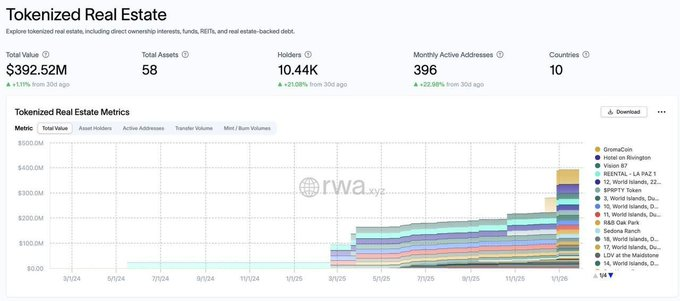
Over the past 30 days, tokenized real estate — including direct ownership stakes, REITs, funds, and real estate-backed debt instruments — has reached a total market value of $356.2 million. The sector now includes:
- 57 tokenized properties
- More than 10,000 asset holders
- Projects spanning 10 countries
Countries with active tokenized real estate initiatives include Canada, Mexico, the U.S., Romania, Italy, Spain, Greece, and the UAE, but it is the UAE and the U.S. that clearly stand out.
Mantra Chain Dominates Real Estate Tokenization Networks
Among blockchain networks, UAE-regulated Mantra Chain has emerged as the dominant infrastructure for real estate tokenization. The network has tokenized $117.7 million worth of property assets, securing the largest market share globally.
Other leading networks include:
- Base – $81.5 million
- Stellar – $71.7 million
On the platform side, Ctrl Alt leads in terms of total real estate tokenized, with assets valued at $124 million.
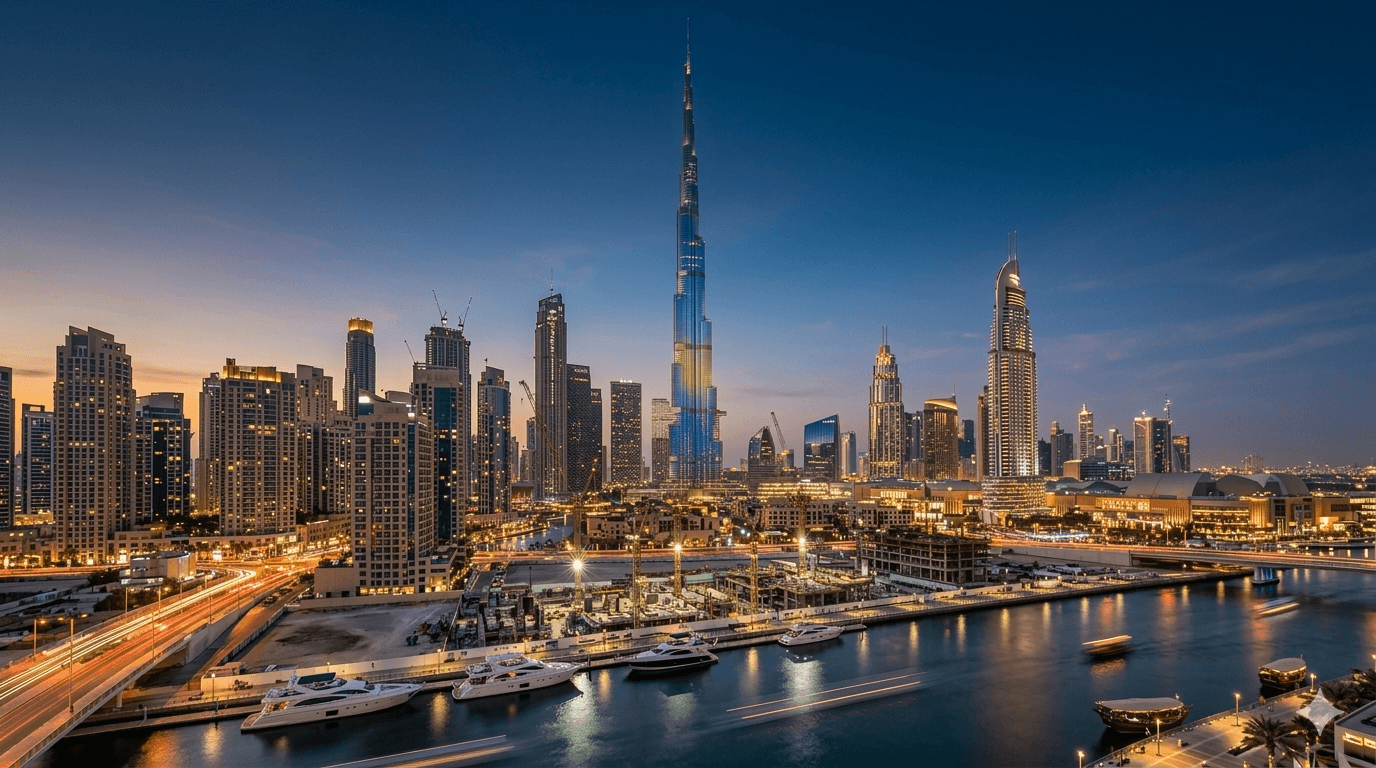
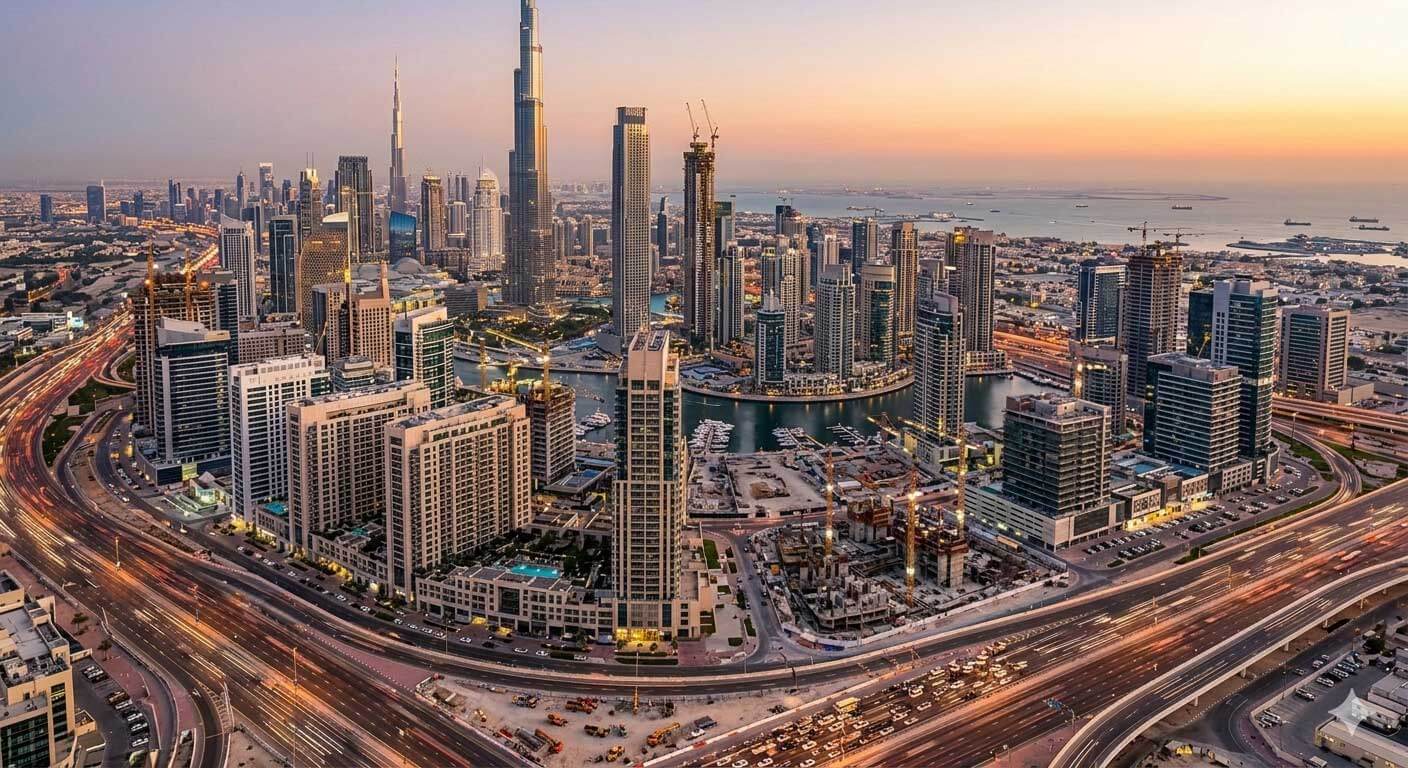
Dubai Properties Drive UAE’s Tokenization Leadership
Dubai continues to anchor the UAE’s leadership in tokenized real estate. High-profile tokenized properties include:
- World Islands (Dubai)
- DAMAC City Tower
- Dubai Marina Hotel, tokenized on the XRP Ledger via Ctrl Alt
- Kensington Waters
- Sobha Creeks
These projects highlight Dubai’s strategic alignment between real estate development, digital assets, and regulatory clarity.
Tokenized Real Estate Market: Still Early, Rapidly Growing
Despite its momentum, tokenized real estate remains relatively small compared to other tokenized asset classes:
- Stablecoins: $293 billion
- U.S. Treasuries: $10 billion
- Tokenized Stocks: $942 million
- Tokenized Real Estate: $356.2 million
However, growth projections are significant. Industry forecasts, including those from Deloitte, estimate that the tokenized real estate market could exceed $4 trillion by 2035, driven by an estimated 27% compound annual growth rate (CAGR).
Projected Market Breakdown by 2035
- Tokenized real estate debt securities: $2.39 trillion
- Private real estate funds: $1 trillion
- Direct ownership & REITs: Remaining share
MENA Outlook: UAE Leads, Saudi Arabia Accelerates
Within the MENA region, the UAE currently leads real estate tokenization efforts. However, Saudi Arabia is rapidly emerging as a strong contender.
The Saudi Real Estate Registry Authority (REGA) has launched a tokenized property registry, developed by SettleMint, with nine PropTech companies actively building applications within its regulatory sandbox. This initiative positions Saudi Arabia to become a major player in the next phase of real estate tokenization across the region.
Frequently Asked Questions
What is real estate tokenization?
Real estate tokenization is the process of converting property ownership or debt into blockchain-based digital tokens, allowing fractional ownership, improved liquidity, and transparent transactions.
Why is the UAE leading in tokenized real estate?
The UAE benefits from progressive regulation, strong real estate demand, blockchain-friendly policies, and active platforms like Mantra Chain and Ctrl Alt.
Is tokenized real estate a good investment?
While still emerging, tokenized real estate offers increased accessibility and liquidity, but carries regulatory and market risks typical of early-stage financial innovations.