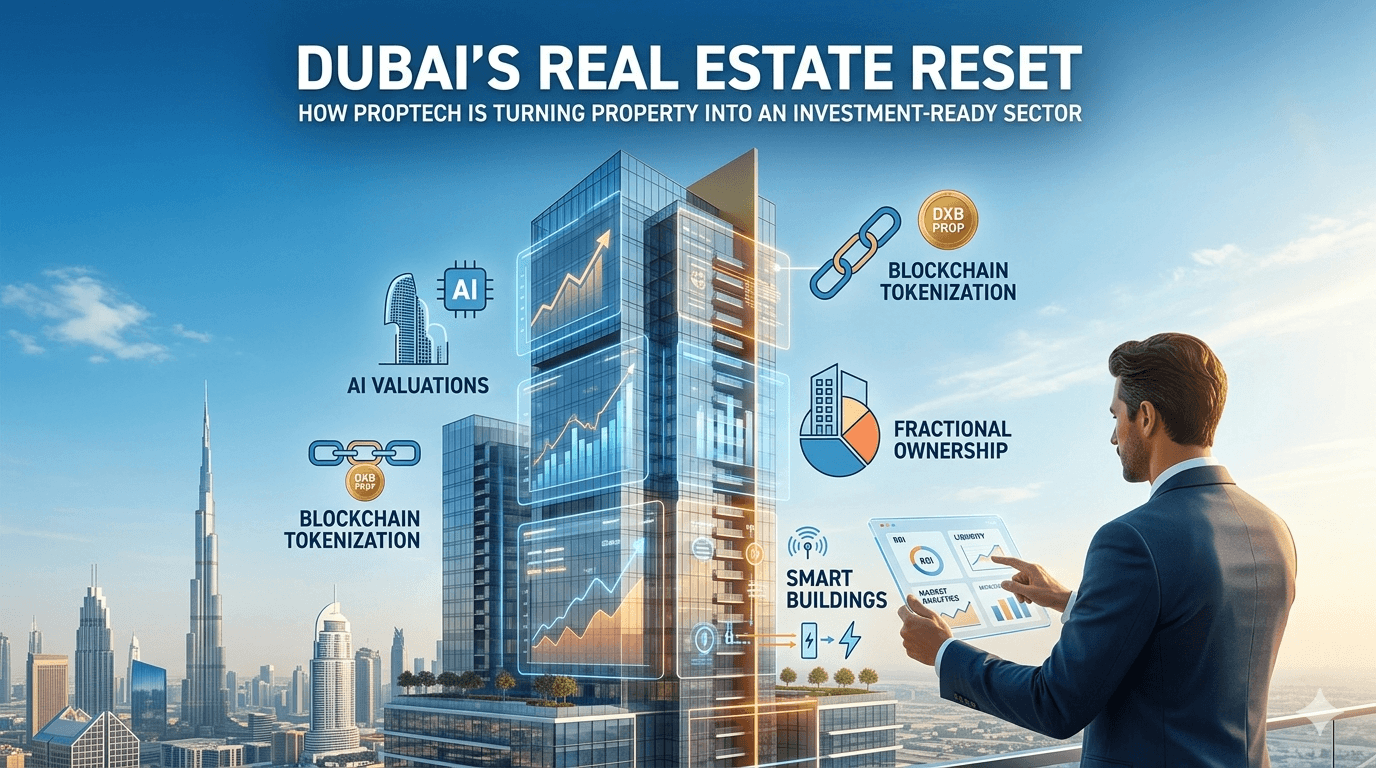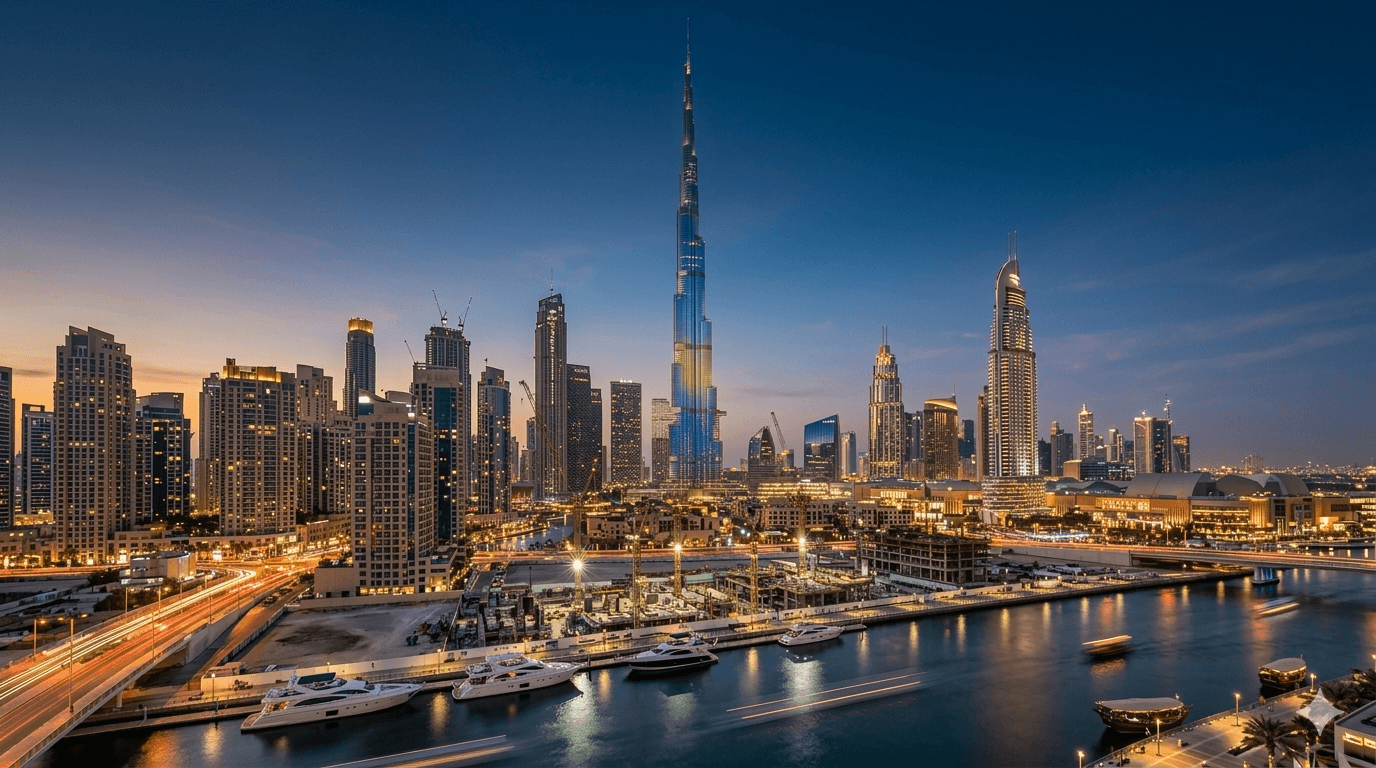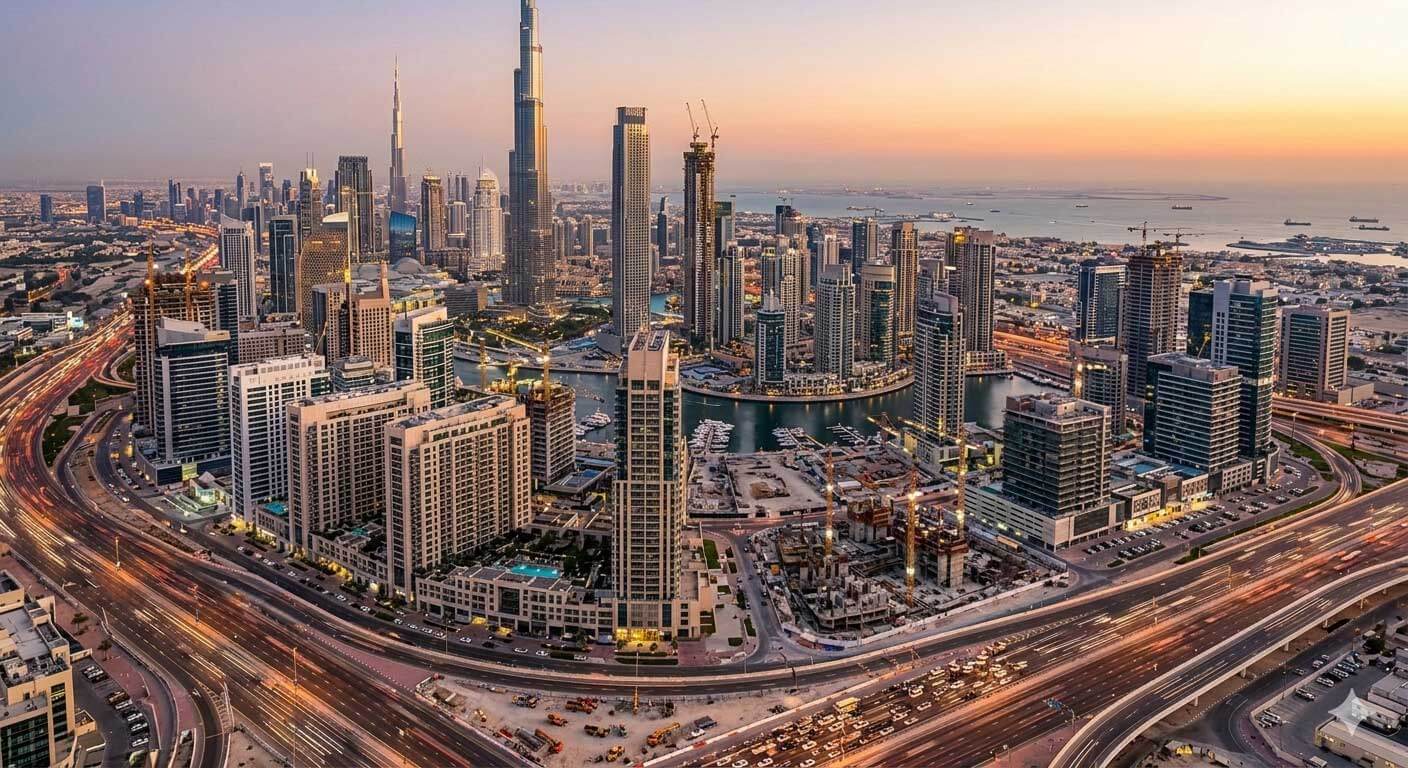
Dubai Real Estate Hits New Highs In 2025, Reinforcing Investor Confidence
Reflecting on another record-breaking year for the Dubai property market, I highlight 2025 as the sixth consecutive cycle of exceptional growth.
As we look back on 2025, the figures speak volumes: In Q2 alone, real estate transactions reached an all-time high of AED 184.3 billion, while the first half of the year saw residential sales values surge by 36.4% to AED 262.1 billion. These numbers don't just underscore Dubai’s magnetic appeal; they confirm the deep trust property investors place in its long-term urban vision.
The Era of Market Maturity and Sophisticated Investors
The most striking shift is in the market's character. We are no longer in a speculative phase; Dubai will enter 2026 as a mature, self-regulating ecosystem. The defining theme of the year ahead will be rational evolution, not volatility.
Buyers have become far more sophisticated. The era of marketing gimmicks is over. Today’s Dubai real estate investors are analytical, weighing developer track records, warranty length, construction progress, price benchmarking within micro-locations, and rental comparables to measure absorption depth. This is a healthy signal, confirming that credibility matters more than noise.
Sustainability and Stabilisation in Dubai Investment
Another transformation is the rise of international standards. Certifications like LEED, WELL, and Fitwel are increasingly referenced as practical indicators of efficiency, healthier living environments, and stronger tenant retention. Sustainability has moved from a luxury label to a due diligence criterion, shaping decisions that will define the next decade for Dubai investment.
Competition is also playing its role as a natural stabiliser. The breadth of choice in 2025 was unprecedented, and with more launches expected in 2026, we will see healthier competition, narrower price spreads, and market discipline achieved without regulatory intervention.
While property yields have softened mildly in certain areas, this is stabilisation, not decline. Rent levels are finding balance, making it easier for investors to model income returns. Any potential dips may be absorbed by anticipated mortgage rate reductions, leaving the net effect minimal and manageable.
A Shift in Capital and Demand for Dubai Assets
I am particularly energised by the inflow of younger capital. These investors are not motivated by escaping rent; they are focused on building recurring income streams, prioritising rental reliability over lifestyle upgrades. This appetite for mid-ticket units will reshape demand patterns in 2026.
Global wealth continues to flow, but the spending pattern is shifting. High-net-worth individuals are moving away from trophy properties and aligning with yield-driven residential and commercial assets that offer liquidity and resilience. Practical, yield-aligned luxury is the new narrative.
Perhaps the most significant structural shift will be in commercial real estate Dubai. We see growing investment into suburban offices, business parks, and community-adjacent clusters, driven by avoidance of CBD congestion, SME growth, and hybrid work decentralisation. This could ignite the strongest Dubai commercial cycle since before 2014.
Taken together, 2026 will not be a correction, nor irrational acceleration. It will be defined by logical pricing, predictable yields, disciplined development, expanding geographies, commercial resurgence, and sustainability standards guiding decisions. Dubai’s real estate market is not cooling, it is maturing – and that maturity will make 2026 a pivotal year in the city’s property evolution.