Dubai Real Estate Outlook 2026: Prices, Demand, Trends & Tokenisation
Dubai Real Estate Heads Into 2026 Strong — But Smarter, More Digital, and More Selective
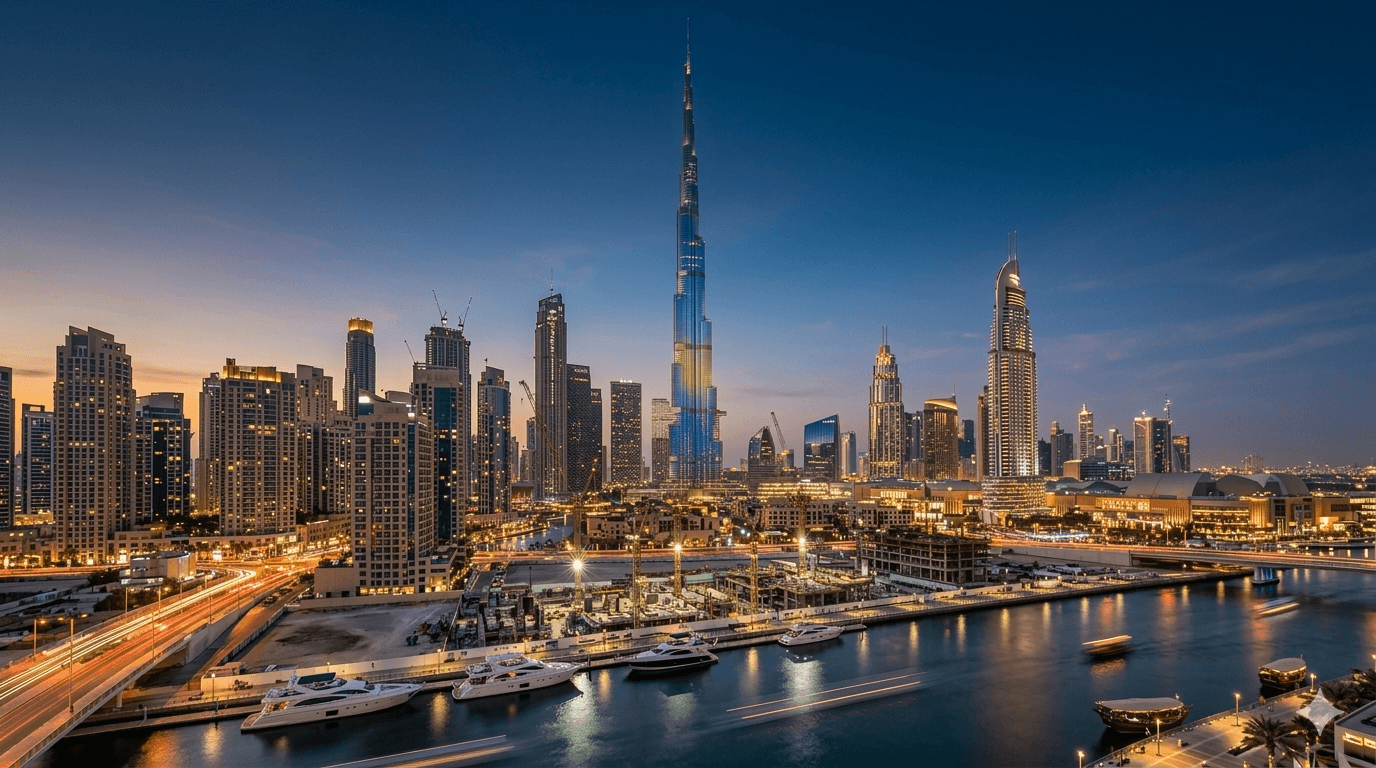
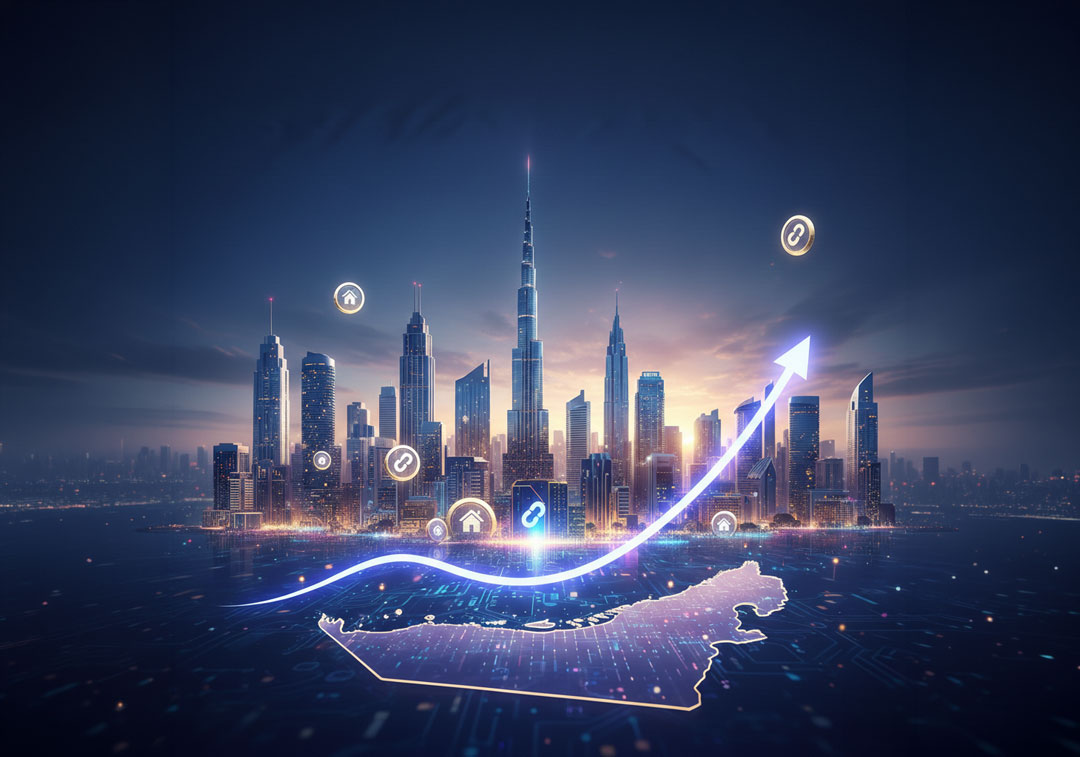
Dubai’s property market is entering 2026 with momentum — not frenzy. After closing 2025 with record-breaking transactions worth more than Dh680 billion, the market is shifting into a new phase defined by steady demand, selective price cooling, and rapid digital transformation.
Rather than a boom-and-bust cycle, analysts say Dubai’s real estate story is increasingly about long-term residency, population growth, and smarter investment, with blockchain-based property ownership beginning to move from concept to reality.
Record Numbers, Real Demand
Dubai’s real estate sector delivered one of its strongest years on record in 2025, posting nearly 30% year-on-year growth in transaction value. Sales activity remained consistent across apartments, villas, townhouses, and luxury homes, with monthly volumes holding firm into the final quarter.
“The market continues to benefit from powerful structural tailwinds,” said Farhan Badami, Market Analyst at eToro. Population growth, policy stability, and innovation are now doing more of the heavy lifting than short-term speculation.
Prices Rise — But Not Everywhere
While luxury homes remain in demand, the strongest shift has been in the mid-market, where new supply has given buyers more choice and slowed price acceleration in certain areas.
- Apartment prices rose about 15% over the past year
- Rental yields remain attractive at 5%–9%, depending on location
The result is a more balanced market: growth continues, but without the sharp spikes seen in earlier cycles.
Supply Isn’t the Risk Many Fear
Around 100,000 new homes are expected to complete in 2026, raising concerns about oversupply. But market data suggests the risk is often overstated.
Historically, 30%–40% of projected units are delayed or phased, easing near-term pressure. More importantly, Dubai’s population continues to expand rapidly. The city crossed four million residents in 2025, adding over 200,000 people in a single year — a key factor absorbing new housing stock.
Why Long-Term Residents Are Driving the Market
Government policy remains a major pillar of confidence. Since 2021, Dubai has issued more than 250,000 Golden Visas, encouraging buyers to put down roots rather than flip properties.
End-users now account for roughly half of all transactions, while cash buyers continue to represent a significant share — a sign of conviction rather than leverage-driven speculation.
International interest remains broad-based, led by buyers from India, the UK, Europe, Russia, North America, and the wider region.
Tokenisation: The Quiet Revolution in Property Ownership
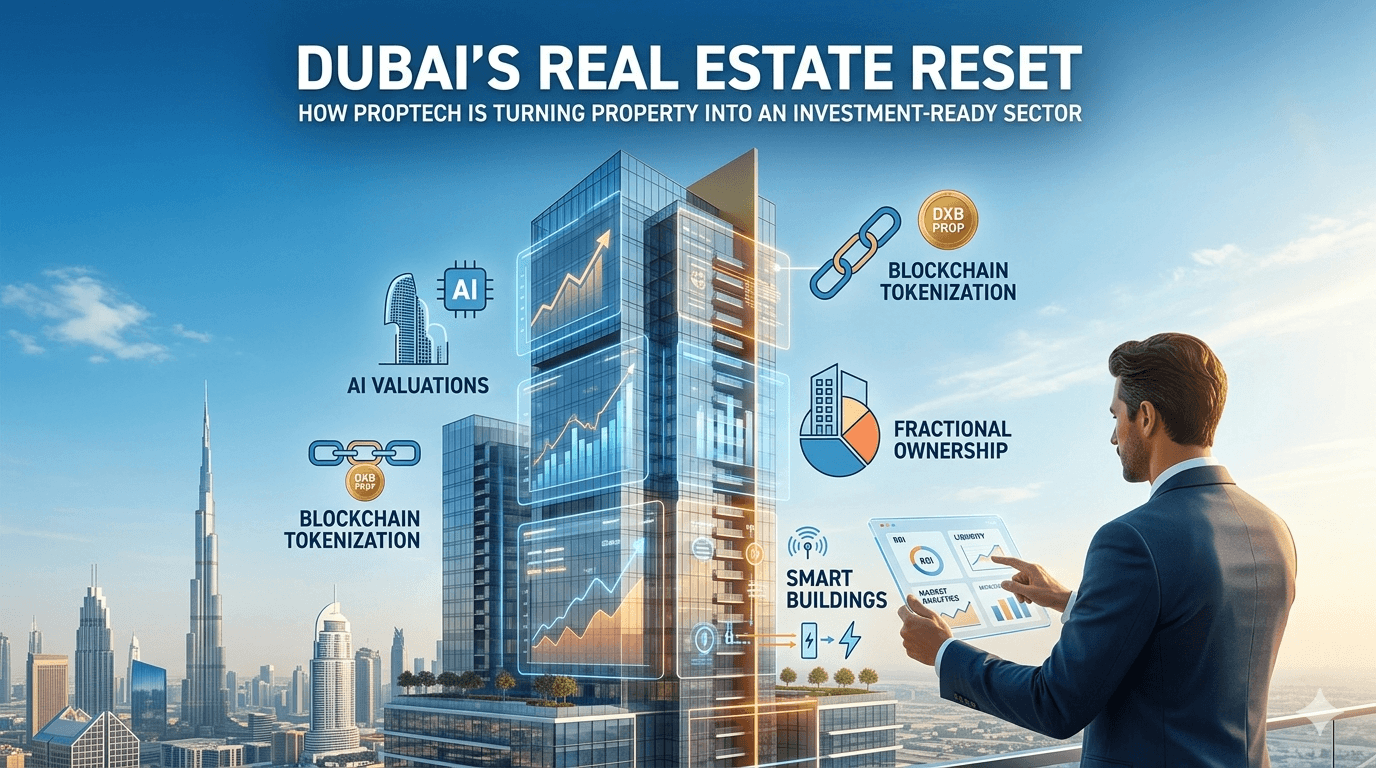
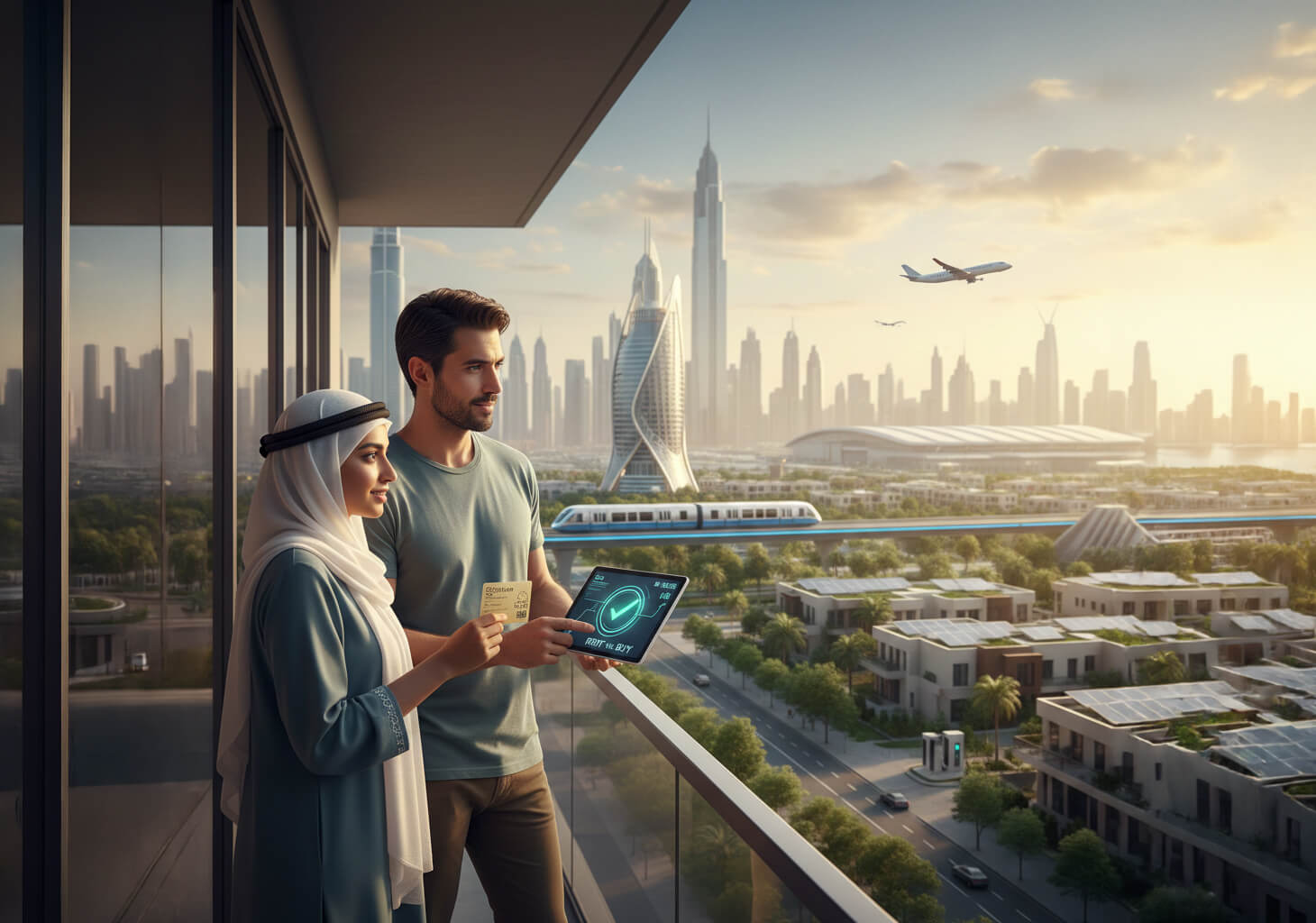
One of the most important shifts heading into 2026 is the emergence of tokenised and fractional real estate ownership. A pilot initiative integrating blockchain-based property titles into Dubai’s land registry could reshape how property is bought, sold, and financed.
Badami believes tokenisation has the potential to “fundamentally change how real estate is traded,” improving transparency, speeding up transactions, and opening the market to a wider pool of investors.
Where Investors Are Still Focusing
Despite strong gains, Dubai remains competitively priced by global standards, with average values around Dh1,676 per square foot. Zero property tax, full foreign ownership, and economic stability continue to support demand.
In 2026, investors are expected to take more targeted approaches:
- Off-plan projects for long-term capital growth
- Ready properties for immediate rental income
- Yield-focused assets in established rental hubs
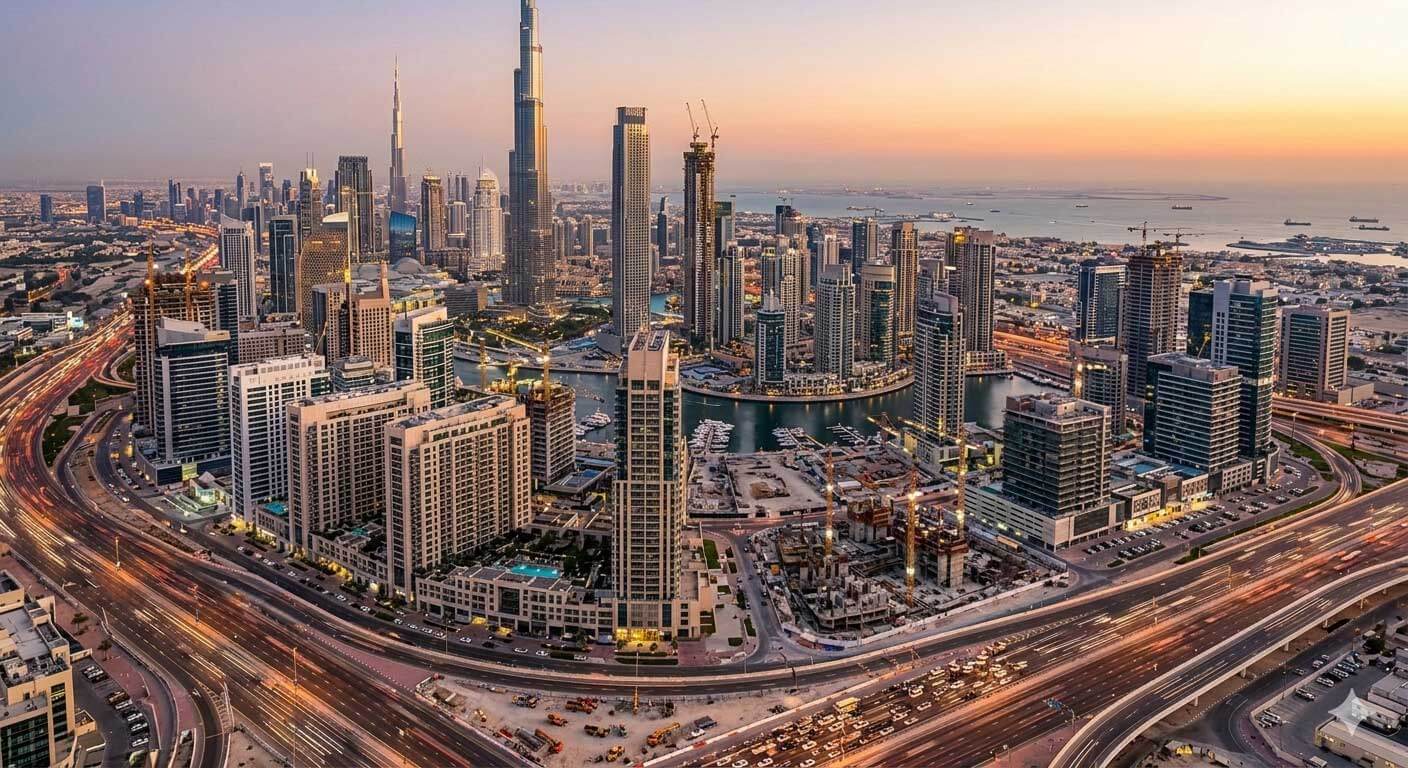
Communities such as Business Bay, JVC, Emirates Living, and Palm Jumeirah continue to attract consistent interest.
The Big Picture for 2026
Dubai’s real estate market is no longer just expanding — it’s evolving. Growth is becoming more measured, ownership more long-term, and investment more digital.
As 2026 unfolds, Dubai’s property sector looks less like a speculative trade and more like a globally competitive, tech-enabled asset class built on population growth, policy certainty, and innovation.