Dubai Rent Spikes Begin to Ease as Tenants Gain More Options in 2025
Dubai’s real estate market is entering a more balanced phase, offering some welcome relief for tenants after two years of steep rent increases. New residential supply — especially apartments — is helping slow rental growth and give renters more negotiating power.
Rent Growth Finally Stabilizes
After months of strong rental hikes, Dubai’s rental market is showing clear signs of cooling:
- Quarterly rent growth has slowed significantly, rising just 2.1% in Q3 compared to 5.5% in the previous quarter.
- Annual rental growth is also easing as supply catches up with demand.
- Apartment rents are rising at a slower pace, while villa rents in popular communities such as Arabian Ranches and Palm Jumeirah have seen slight quarterly declines thanks to more units entering the market.
For tenants, this shift brings much-needed relief. More homes are now available, and landlords are becoming more flexible with pricing and payment terms — a sharp contrast to the aggressive rent escalations seen in recent years.
Apartment Market Leads 2025 Growth
Apartments remain the star of Dubai’s property market. Sales volumes have reached new highs, driven by growing demand and a steady pipeline of new launches.
Key trends include:
- Apartment sales reaching record levels in Q3.
- Strong demand for mid-market communities such as Jumeirah Village Circle, Business Bay, and Arjan.
- A surge in new off-plan projects, reflecting strong confidence from both developers and investors.
Improved affordability and steady interest from buyers continue to support growth in this segment.
Villa Market Takes a Breather
After two years of exceptional appreciation, villa and townhouse sales are cooling — a natural pause after a strong run-up.
- Sales volumes dipped in Q3, indicating a more measured pace of activity.
- Prices in premium villa communities like Dubai Hills Estate and Emirates Hills remain stable, supported by limited supply and sustained demand.
This slowdown is not a decline in interest, but rather a period of recalibration as buyers become more selective.
Prices and Long-Term Outlook
Dubai’s residential prices hit a new high this year, averaging Dh1,664 per sq ft, nearly double 2020 levels. While prices continue to rise annually, quarterly growth is moderating as more inventory enters the market.
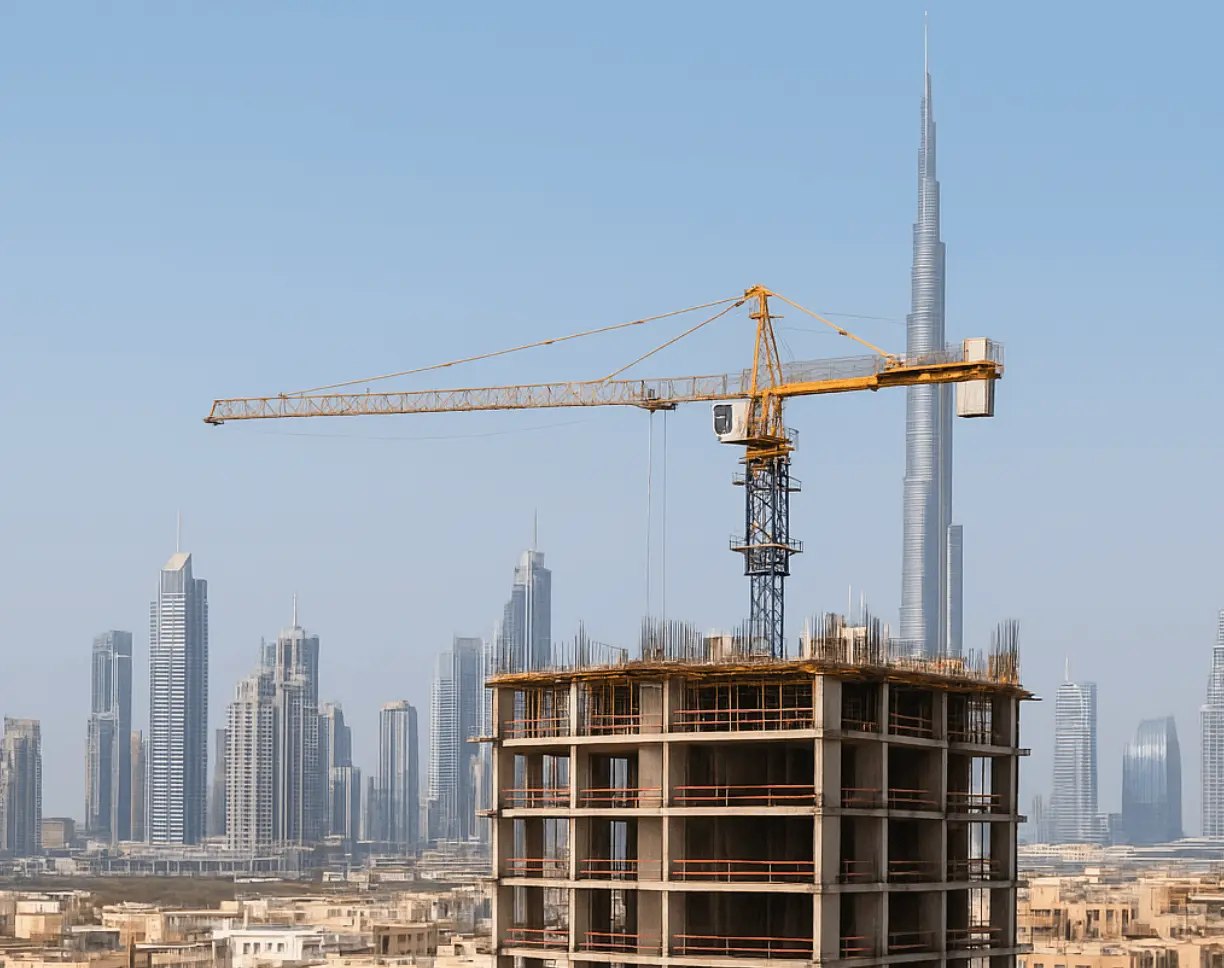
More than 28,500 new units have been delivered so far this year — 85% of them apartments. With an expected 200,000 additional homes by 2027, Dubai is steadily moving toward a more balanced real estate environment.
What This Means for Residents
- Renters: Finally have leverage, more choice, and more stable pricing.
- Buyers: Still see strong long-term value, especially in well-planned communities.
- Investors: Benefit from consistent demand and high rental yields, though growth will be steadier than previous years.